
LEAD - Four Principles for Building a Growing Insurance Team

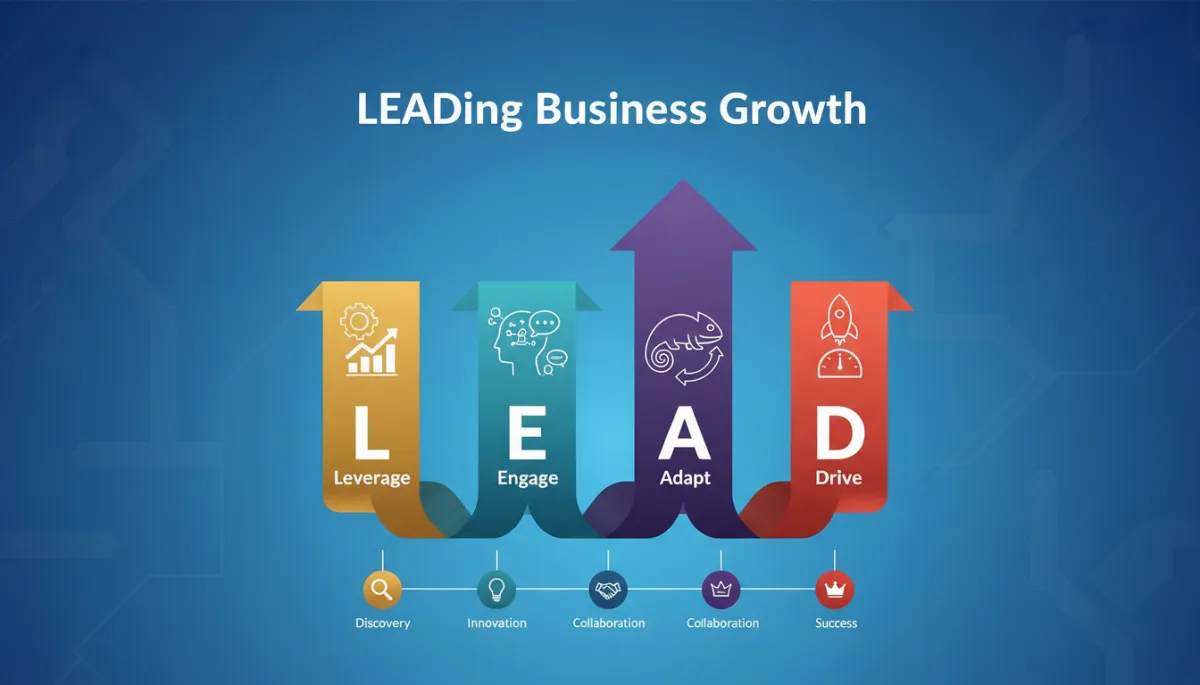
LEAD

A few years ago, I was sitting in church when the pastor spoke about what it really takes to lead a family. As he explained the simple principles behind strong family leadership, I started thinking about how closely those principles apply to leading a growing business.
The same ideas can apply to building an insurance team.
Growing a business is not only about sales numbers or business plans. It is also about how you lead the people who are responsible for building it. In my experience, four simple principles can help leaders develop their teams: Love, Engagement, Affirmation, and Discipline.
Together, they spell LEAD.
L: Love

Leadership starts with caring about the people you lead.
For me, that means being committed to the growth of your agents, even when they are still developing their skills and learning the business. Every person starts from a different place, and effective leadership requires meeting people where they are while helping them see what they can become.
Supporting an agent's growth does not mean lowering expectations. It means believing that growth is possible and continuing to invest in the person throughout the process.
People are more likely to grow when they know their leader genuinely cares about their progress.
E: Engage

The second principle is engagement.
A leader cannot effectively develop a team by only looking at results. You have to stay connected to the people doing the work.
Engaging your agents means being involved on a daily basis and making sure they have the support and resources they need to move forward. Sometimes those needs are practical. Other times, they are about encouragement, guidance, or simply having someone who is willing to listen.
Leadership is not only a financial responsibility. It also requires an investment of time and attention.
There is a reason we say we are "paying attention." Your attention has value. When you give someone your time, listen to their concerns, and understand where they are in the process, you become better equipped to help them.
A: Affirm

The third principle is affirmation.
Not every day will produce the result you wanted. That is part of building a business and developing people.
During those difficult days, leaders have an important role to play. Sometimes an agent needs to be reminded that the process works and that one difficult day does not define their progress.
Look for opportunities to recognize people when they are doing something right. Acknowledge their progress both privately and publicly when appropriate.
Growth takes time.
You cannot microwave the system.
An agent who is learning, developing confidence, and building consistent habits needs time to put those lessons into practice. A growing business works the same way.
The process may feel slow at first, but consistent work produces results that shortcuts cannot replace.
D: Discipline

The final principle is discipline.
Discipline means staying committed to the process, especially when the results are not immediate.
It does not mean making everything unnecessarily difficult. Instead, discipline is about doing the important and sometimes difficult things as soon as possible and continuing to take consistent action.
When building an insurance business, it can be easy to focus only on the outcome. Sales numbers, team size, and other measurements matter, but they are usually the result of many smaller actions repeated over time.
So ask yourself:
Are you taking consistent action to create the possibilities you want to have?
That question applies to leaders, agents, and anyone working to build something that lasts.
Leadership Is Simple, But Not Easy

These four principles are simple, but that does not mean they are easy.
Love the people you lead.
Engage with them consistently.
Affirm their progress.
Discipline yourself to stay with the process.
When leaders practice these principles consistently, they create an environment where people can learn to take responsibility for their own growth.
The goal of leadership is not to create people who always need to be led. It is to help people develop the confidence, habits, and discipline to eventually lead themselves and others.
Lead others well, and you give them an opportunity to learn how to lead as well.

Patrick B. Samuels
Patrick B. Samuels is a Dallas, Texas native and Regional Director at Samuels Insurance Group. A Texas State University alumnus, he has worked in the supplemental health insurance industry since 2015, with a focus on leadership, team development, professional growth, and mentorship.

Executive Insights & Reader Discussion
Share your perspective on supplemental risk protection, agency leadership, and market trends.
Discussion (0)