
You Can't Lead People Where You Won't Go
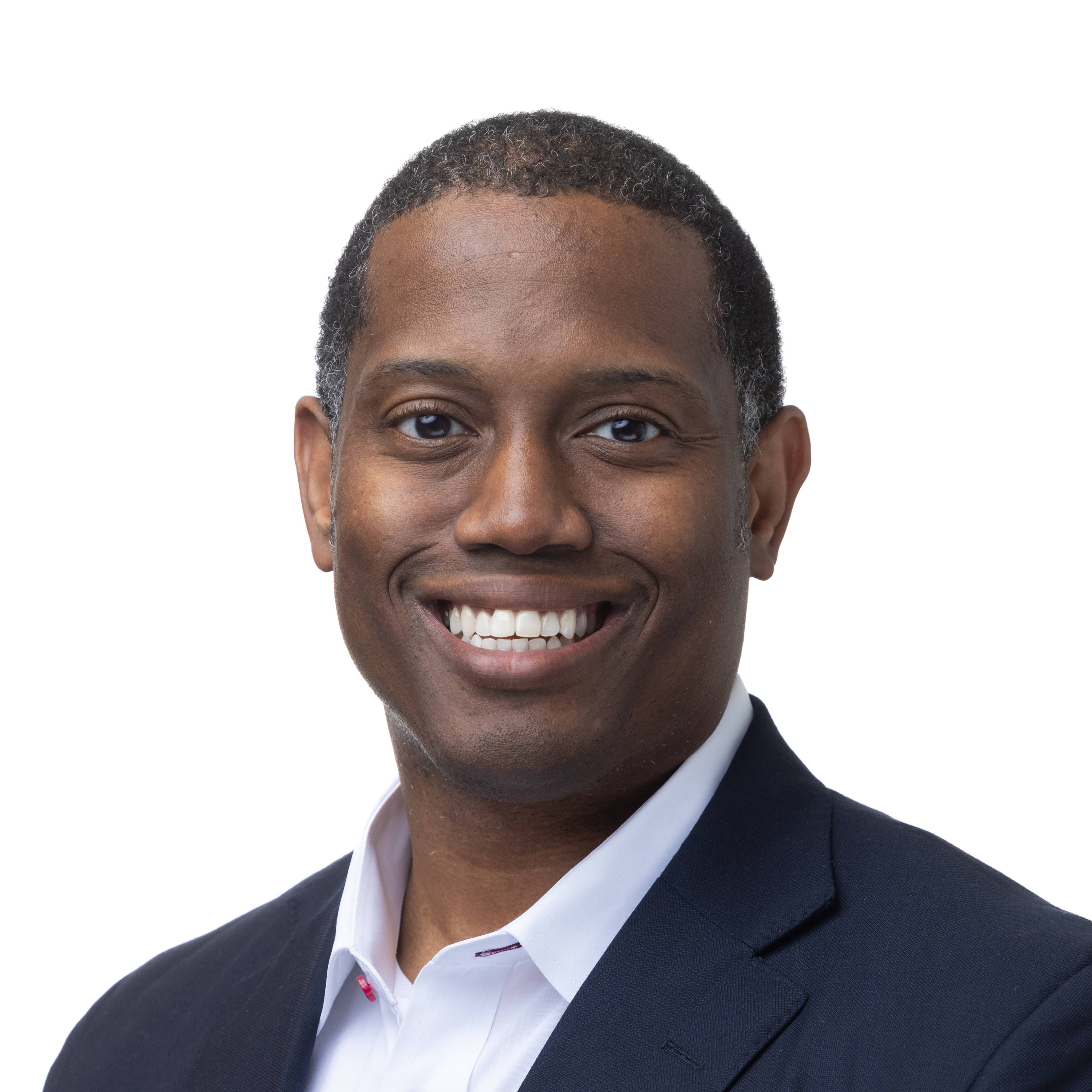

Leading no matter the weather
You Can't Lead People Where You Won't Go
Why leadership begins in the field, credibility comes from experience, and success is built through daily discipline.
Leadership From the Field | Patrick B. Samuels
There is one leadership lesson that has become more apparent to me with every year I've spent in this business:
You can't lead people where you're unwilling to go, and you can't teach what you haven't done.
That may sound simple, but it has shaped the way I view leadership, personal growth, and long-term success.
Too often, leadership gets associated with titles, positions, or authority. People assume leadership begins the moment someone receives a promotion or starts managing a team. In reality, leadership starts much earlier than that.
Leadership begins with example.
It begins with the standards you set for yourself when nobody is watching.
It begins with the discipline to do what needs to be done regardless of how you feel.
Most importantly, it begins with credibility.
People rarely follow words alone. They follow actions. They watch how you handle adversity, how you respond to setbacks, and whether your behavior aligns with the expectations you place on others.
As leaders, we should never ask people to walk a path we are unwilling to walk ourselves.
If we expect people to push through rejection, we should understand what rejection feels like.
If we want people to become disciplined, we should model discipline.
If we expect others to embrace growth, we should be committed to growth ourselves.
The most effective leaders I have known were never afraid to get into the trenches. They understood that leadership is earned through experience, not assigned through position.
The Field Is Where Leadership Begins
One of the things I appreciate most about this profession is that success leaves clues.
There is no secret formula.
The path has already been proven by countless individuals who have developed the habits, skills, and consistency necessary to achieve meaningful results.
The opportunity is available.
The process is available.
The question is whether we are willing to do the work.
In the insurance business, success is not mysterious. It is built through consistent activity over time.
It starts with taking action.
Sometimes that action is as simple as picking up your iPad, walking into a business, introducing yourself, and starting a conversation.
That may not seem significant, but many successful careers begin with moments like that.
Not in a leadership meeting.
Not on a conference call.
Not while talking about future goals.
In the field.
That is where confidence is developed.
That is where communication skills improve.
That is where objections are handled.
That is where lessons become real.
At Samuels Insurance Group, we often talk about a simple daily standard:
Eight hours in the field. Six closing presentations. One family protected.
Think about what would happen if someone committed to that standard consistently for six months.
Consider the number of conversations they would have.
The relationships they would build.
The confidence they would develop.
The lessons they would learn.
The families they would help protect.
Now consider something even more important.
Think about who they would become during that process.
Because the field is not just where production happens.
The field is where development happens.
What the Field Teaches That No Classroom Can
There are lessons that can only be learned through experience.
A classroom can teach concepts.
A mentor can provide guidance.
A training session can offer knowledge.
But experience teaches wisdom.
When you're working directly with people every day, certain qualities naturally develop.
You learn discipline because people are counting on you to show up.
You learn time management because every day requires intentional decisions.
You learn consistency because one great day does not create lasting success.
You learn resilience because not every conversation ends with a positive outcome.
You learn humility because there is always something new to improve.
Over the years, I have experienced victories that felt incredible.
I have also experienced disappointments that forced me to reassess my approach and make adjustments.
Both experiences were necessary.
Both provided valuable lessons.
Both contributed to my growth as a leader.
One of the greatest misconceptions about leadership is that credibility comes from success alone.
It doesn't.
Credibility is built through persistence.
People trust leaders who continue showing up.
People respect leaders who remain committed when things become difficult.
People are inspired by leaders who stay focused on the mission regardless of temporary setbacks.
The longer I lead, the more convinced I become that consistency often matters more than talent.
Building Leadership on a Strong Foundation
Imagine building a house.
No one would intentionally pour a weak foundation and expect the structure to remain strong for decades.
The foundation determines what the structure can ultimately support.
Leadership works the same way.
Many people desire the rewards of leadership.
They want the title.
They want the income.
They want the influence.
They want the recognition.
But they often overlook the habits required to sustain those responsibilities.
Strong leadership requires a strong foundation.
That foundation is built through discipline, consistency, accountability, and personal responsibility.
Before you can effectively lead others, you must first learn to lead yourself.
Before you can help someone manage their schedule, you need to manage your own.
Before you can coach someone through adversity, you need experience overcoming adversity yourself.
Before you can hold someone accountable, you must first demonstrate accountability.
Leadership starts internally before it ever becomes external.
The habits you develop today become the foundation for the opportunities you receive tomorrow.
That is why I believe this business is about far more than sales.
It is a leadership development profession.
Every challenge presents an opportunity to become stronger.
Every setback presents an opportunity to grow.
Every day provides another opportunity to build the foundation that future success will rest upon.
Leadership Isn't Built in a Day
One of my favorite comparisons for leadership is investing.
Most people understand that wealth is rarely built overnight.
Instead, wealth is often created through consistent investments made over a long period of time.
Those investments accumulate.
They compound.
Eventually, the growth becomes obvious.
Leadership follows the same principle.
You do not become a leader because of one great week.
You do not become disciplined because of one productive month.
You do not become credible because of one promotion.
Leadership develops through thousands of small decisions.
Getting up when you said you would.
Keeping commitments.
Making the next call after hearing no.
Preparing when nobody is watching.
Following through when it would be easier to quit.
Learning from mistakes instead of making excuses.
None of those actions seem extraordinary by themselves.
Yet over time they create extraordinary results.
The habits that appear insignificant today become the competitive advantage that separates leaders tomorrow.
That is why I often remind myself of a simple truth:
Leadership is not made in a day. Leadership is made daily.
The Mistake I Made Early in Leadership
Early in my leadership journey, I made a mistake that took me years to fully understand.
I believed motivation alone could create success.
I believed that if I could encourage people enough, inspire them enough, and help them see what was possible, everything else would take care of itself.
Encouragement absolutely matters.
Positive energy matters.
Belief matters.
Every person needs someone who believes in them before they fully believe in themselves.
But eventually I learned something important.
Motivation can inspire people, but process develops people.
Motivation is temporary.
Process is sustainable.
Motivation gets people started.
Process keeps people moving.
When enthusiasm fades, process remains.
When confidence drops, process remains.
When adversity appears, process remains.
Strong organizations are not built around emotion.
They are built around standards, systems, accountability, and consistent execution.
The most successful leaders understand that people need more than motivation.
They need a roadmap.
They need structure.
They need a process they can trust when emotions begin telling them to quit.
What Water Can Teach Us About Growth
There is an illustration I have always appreciated.
Imagine a container of water sitting at seventy degrees.
You lower the temperature.
At sixty degrees, it is still water.
At fifty degrees, still water.
At forty degrees, nothing appears significantly different.
The temperature continues to drop.
Finally, at approximately thirty-two degrees, the water begins to freeze.
What interests me is that the transformation did not begin at thirty-two degrees.
The transformation began long before anyone could see it.
Leadership development works in a very similar way.
There are seasons when you're putting in the work but not seeing immediate results.
You are learning.
Growing.
Improving.
Adjusting.
Developing.
Yet outwardly, everything may look the same.
It can feel frustrating.
It can feel slow.
It can even feel like nothing is happening.
But growth is taking place.
You are developing confidence.
You are building discipline.
You are improving communication.
You are preparing for responsibilities you may not yet realize are coming.
Then one day, people notice the change.
They call it an overnight success.
But you know the truth.
You remember the effort.
You remember the setbacks.
You remember the lessons.
You remember the process.
What others see in a moment is often the result of months or years of preparation.
Your Systems Determine Your Growth
One of my favorite observations from James Clear'sAtomic Habits is this:
"You do not rise to the level of your goals. You fall to the level of your systems."
That statement challenges all of us.
Most people have goals.
They want more success.
More growth.
More income.
More influence.
More impact.
There is nothing wrong with ambitious goals.
Goals provide direction.
But goals alone do not create results.
Daily systems create results.
The question is not simply what you want.
The question is what you are doing every day.
If your goal is to become a stronger leader, what habits support that goal?
If your goal is to build a successful team, what systems support that goal?
If your goal is to help others grow, are you personally demonstrating the behaviors you expect from them?
Vision is important.
Process is what transforms vision into reality.
When opportunity arrives, preparation determines whether you are ready.
The habits you build today prepare you for the opportunities of tomorrow.
The Shift From Producer to Leader
At some point in your career, your definition of success begins to change.
Early on, success is primarily focused on personal production.
You are learning your craft.
Developing skills.
Building confidence.
Serving clients.
Protecting families.
That focus is necessary.
But eventually leadership asks a different question.
Can you help someone else succeed?
Can you teach what you've learned?
Can you help someone navigate challenges you've already overcome?
Can you create an environment where others can grow and thrive?
That is the shift from producer to leader.
Your production gives you credibility.
Your ability to teach creates influence.
Your willingness to invest in others creates leadership.
This is where true multiplication begins.
One person can only accomplish so much alone.
But when leaders develop other leaders, the impact expands exponentially.
You are no longer limited to what you can personally accomplish.
You are helping others create success of their own.
That is where leadership becomes truly powerful.
Three Questions Every Leader Should Ask
As you reflect on your career, I encourage you to honestly consider three questions.
1. Am I Asking Others to Do Something I Am Unwilling to Do?
Leadership starts with example.
People are more likely to follow what you model than what you say.
2. Do My Daily Habits Support My Long-Term Goals?
Goals create direction.
Daily disciplines create results.
Make sure your habits align with the future you're trying to build.
3. Am I Developing People Who Can Succeed Without Me?
Great leaders do more than build followers.
They build future leaders.
The true measure of leadership is whether others continue growing and succeeding long after your direct involvement decreases.
Final Thoughts: Leadership Compounds
When I look back over my career, the most important lessons rarely came during the easiest seasons.
They came during the moments that required persistence.
The days when I needed to make one more presentation.
The days when I needed to adjust my attitude.
The days when I had to practice the same discipline I was encouraging others to embrace.
Those moments shaped me.
And they continue to shape me today.
I am still learning.
Still growing.
Still developing.
That journey never ends.
My encouragement to you is simple:
Do not become so focused on the title you want that you neglect the person you are becoming.
Do not underestimate today's effort.
Do not assume a lack of immediate results means a lack of progress.
Keep learning.
Keep showing up.
Keep serving people.
Keep protecting families.
Keep developing yourself.
And when the opportunity comes to lead others, don't simply tell them what to do.
Show them.
Walk alongside them.
Coach them.
Develop them.
Help them build the same habits and discipline that helped shape your own success.
Because the same process that develops a great producer can develop a great leader.
And great leaders develop other leaders.
That is how influence expands.
That is how organizations grow.
That is how legacies are built.
Leadership doesn't simply grow. It compounds.
And it all begins with the decision to lead yourself today.
Patrick B. Samuels
Leadership From the Field | Samuels Insurance Group
SERVICE | INTEGRITY | GROWTH | LEADERSHIP
Patrick B. Samuels
Patrick B. Samuels is a Dallas, Texas native and Regional Director at Samuels Insurance Group. A Texas State University alumnus, he has worked in the supplemental health insurance industry since 2015, with a focus on leadership, team development, professional growth, and mentorship.

Executive Insights & Reader Discussion
Share your perspective on supplemental risk protection, agency leadership, and market trends.
Discussion (0)